"The Power of Predictive Analytics: Staying Ahead of the Competition"

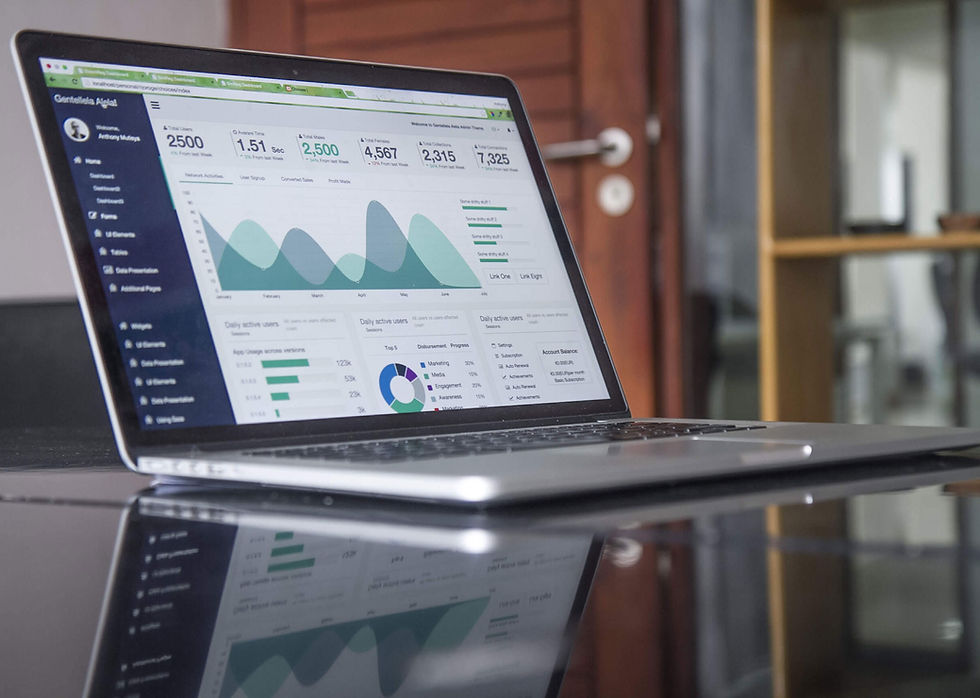
Only such businesses of today, which are going to update themselves according to the requirements and trends of market will be successful in the market. One powerful tool for this is predictive analytics. According to historical data and advanced algorithms, future events can be predicted, customer needs can be anticipated, and pertinent decisions can be taken by staying ahead of competition.
1. What is Predictive Analytics?
Predictive analytics is basically applying statistical techniques, machine learning algorithms, and data mining to analyze historical data to predict future outcomes. This is hence different from the mere understanding of what happened before and arguably allows businesses to predict what will likely happen.
The strength of predictive analytics is in transforming raw data into actionable insights. The analysis of patterns and trends and behaviors can thus enable businesses to make predictions that might then guide decision-making processes in various areas, from marketing and operations to risk management and customer service.
2. Predicting Customer Behavior
This is one of the most valuable applications of predictive analytics, that it aids in anticipating customer behavior by analyzing data like their purchase histories, browsing activities, and demographic information. This way, the business can use that information to predict future buying decisions, which are, in turn, used in marketing efforts that could improve marketing mixes or segments.
For example, e-commerce websites use predictive analytics to suggest what a customer should buy based on previous purchases or even what the customer has browsed. The good thing about this experience is that it makes for a better buying experience for the customers, ultimately leading to more sales and a better retention of customers.
Retailers also use predictive analytics to predict the demand for specific products on different occasions of the year. This allows them to stock more inventories so that overstocking or running out of high-demand items is minimized.
3. Improvement in the Marketing Strategy
Predictive analytics is going to be a potential game-changer for marketing because it enables businesses to target customers much more aggressively. Marketers will be able to analyze historical data that can identify what strategic and campaign moves in the past worked or did not work, and what might likely work and not work in the future.
It predicts which customers are most likely to respond to certain promotions or to engage with certain content. In doing so, marketers can optimize their campaigns and focus their resources in ways where they have the most to gain. This all leads to increased conversion rates and an improvement in ROI and budget efficiency.
4. Effectiveness in Risk Management
Another application that firms also use in predictive analytics is identifying risk potential. In the finance industry, for instance, banks and financial lending institutions will apply predictive models to determine credit risks to evaluate the possibility of a given debtor being able to default on a loan. Hence, in this regard, lenders have the upper hand in making informed decisions and avoiding the risks of potential financial loss.
Predictive analytics helps the insurance firm know the risk factors when taking up policies, retailers predict which segment may disrupt the supply chain and have contingency measures before the event.
5. Optimize Operations
It can improve the efficiency of operations by predicting the future concerning demand, noting bottlenecks, and forecasting equipment failure. Predictive maintenance models applied in the manufacturing system, allow a company to predict whether a machine will break down or not, that way, there is a chance for maintenance to occur before the problem actually develops. This minimizes downtime, hence, cut down on costs for repairs.
Besides, predictive analytics helps logistics companies make better choices for the optimization of delivery routes and enhance supply chain management to ensure timely delivery of products to customers with a minimum cost in transport.
6. Competitive Advantage
Lastly, predictive analytics can give businesses an edge over others by encouraging them to make wiser decisions quicker. Predictive analytics for market trends will enable an enterprise to change rapidly when conditions shift and take advantage of new opportunities earlier than competitors can.
For example, a company using predictive analytics to predict customer demand can increase or decrease its levels of production, or introduce new products early enough before the competitors introduce them, thus staying ahead of the game as far as serving the needs of customers is concerned.
Conclusion
Predictive analytics is probably one of the main drivers of staying ahead of the curve. This is because historical data is used in making predictions of future outcomes; this can allow business enterprises to predict what their customers will do next, optimize marketing strategies, mitigate risks, and achieve operational efficiencies. It is indeed an era when data has become one of the most valuable assets, and companies that invest in predictive analytics will be better equipped to succeed in today's fast-changing business environment.


Comments